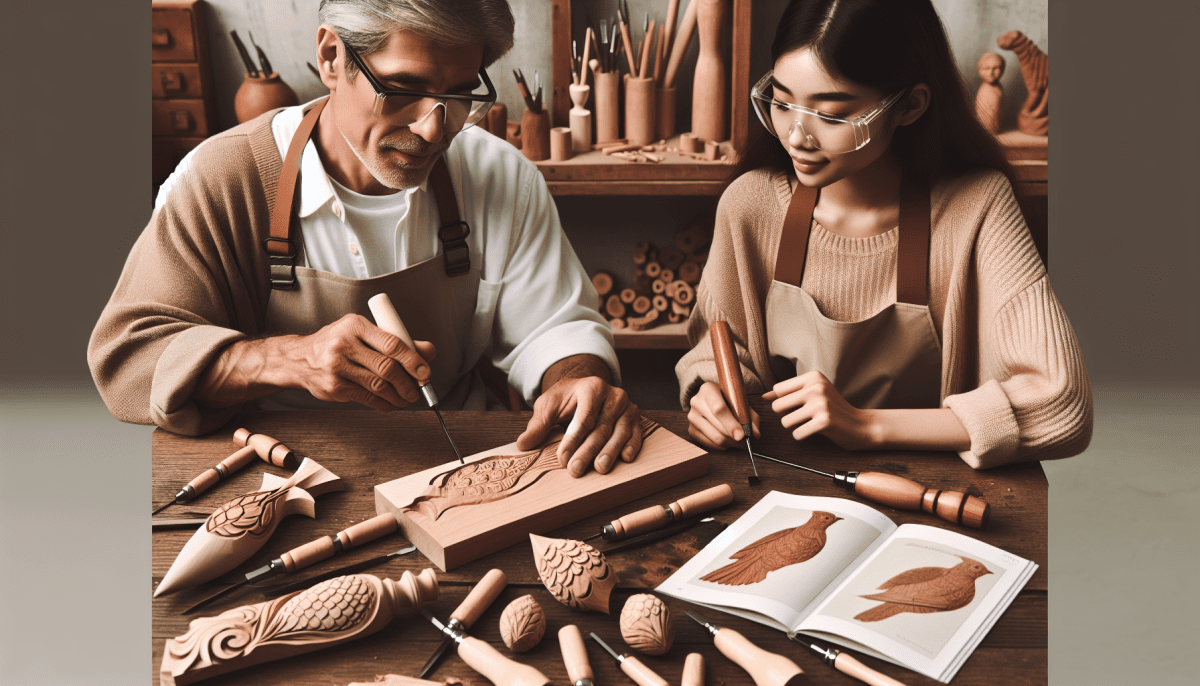
Before you dive in, it’s helpful to choose the right type of wood. Basswood is a popular choice for beginners because it’s soft, easy to carve, and forgiving if you make mistakes. You might also explore butternut or pine. Always look for wood that’s clear of knots and any major imperfections. That way, you can focus on your carving without the worry of surprises.
When you actually start carving, practicing basic shapes is key. Begin by making simple forms like spoons or small figurines. Sketch out your design on the wood first, too. It can guide your cuts and help you stay on track. Remember, it’s totally normal to make mistakes—every carver has been there. Just take your time, and don’t rush the process.
Lastly, don’t forget the finishing touches. Sanding your piece is essential for a smooth feel and a professional look. Once it’s sanded, consider applying some finish, like mineral oil or beeswax, to protect your work and make the grain stand out. Enjoy the journey, and don’t hesitate to seek tips from fellow wood carvers along the way! Happy carving!
Choosing Your First Tools
Getting started with wood carving can be super exciting, but it’s important to choose the right tools. If you’re just beginning, you don’t need to go overboard with fancy equipment. A few basic tools will help you dive into the art without feeling overwhelmed.
Here are some essentials to consider:
As you shop for tools, pay attention to the comfort and grip. You’ll be spending a good amount of time carving, so it’s worth trying them out. Don’t hesitate to ask staff for advice if you're at a local store, or check out reviews online.
Remember, starting with a small selection keeps things simple and lets you focus on developing your skills. As you progress, you can always add to your toolkit. Enjoy the process of learning and creating!
Basic Techniques for Beginners
Getting started with wood carving can feel a bit overwhelming, but don’t worry—it’s all about the basics! As a beginner, you’ll want to focus on some fundamental techniques that will help you build confidence as you carve. Let’s dive into some simple methods you can practice.
One of the first techniques you should master is the stop cut. This is where you make a cut into the wood grain to create a clear edge. It’s great for outlining shapes or detailing. Just take your knife and press in at a 90-degree angle before making your next cuts. It’ll help keep everything neat and tidy!
Next up is the slicing cut. Instead of pushing the knife straight down, you’ll be pulling it toward you, almost like slicing through the wood. This cut allows for smoother lines and better control. Aim for a shallow, steady slice, and you’ll start seeing those beautiful curves and designs take shape.
Last but not least, don’t forget about the importance of shaping cuts. This is where you remove larger pieces of wood to start defining your project’s form. Begin with gentle, sweeping motions, and don’t be afraid to adjust your grip or angle to get the shape just right. Remember, it's all about practice—so give yourself time to experiment!
As you work through these techniques, keep a close eye on your safety. Always carve away from your body, and make sure your tools are sharp. A sharp tool not only makes carving easier but also safer—duller tools require more force, increasing your risk of slipping. Enjoy the journey, and have fun creating!
Safety Tips for a Fun Experience
Wood carving can be a thrilling and rewarding hobby, but safety should always come first! Here are some important tips to keep in mind while you carve.
1. Use the Right Tools
Make sure you're using tools that suit your skill level. As a beginner, start with a basic set of carving tools. Avoid anything too complicated until you feel more comfortable. Sharp tools are essential, but remember, they can also be dangerous if not handled properly.
2. Protect Yourself
Always wear appropriate safety gear. A good pair of carving gloves can help protect your hands from slips and cuts. If you're using power tools, consider wearing safety glasses to shield your eyes from flying wood chips.
3. Work in a Good Environment
Set up your workspace in a well-lit area where you can easily see your project. A stable, comfortable work surface will help you keep steady while you carve. Make sure to declutter your area to avoid accidents!
4. Take Your Time
Don't rush the process. Carving is about patience and practice. Take breaks if you start to feel tired or frustrated. Step back and assess your work regularly. This will not only help you make better decisions but also keep you safe.